Cosmetic Stability Testing in Maklon: Critical Yet Often Overlooked

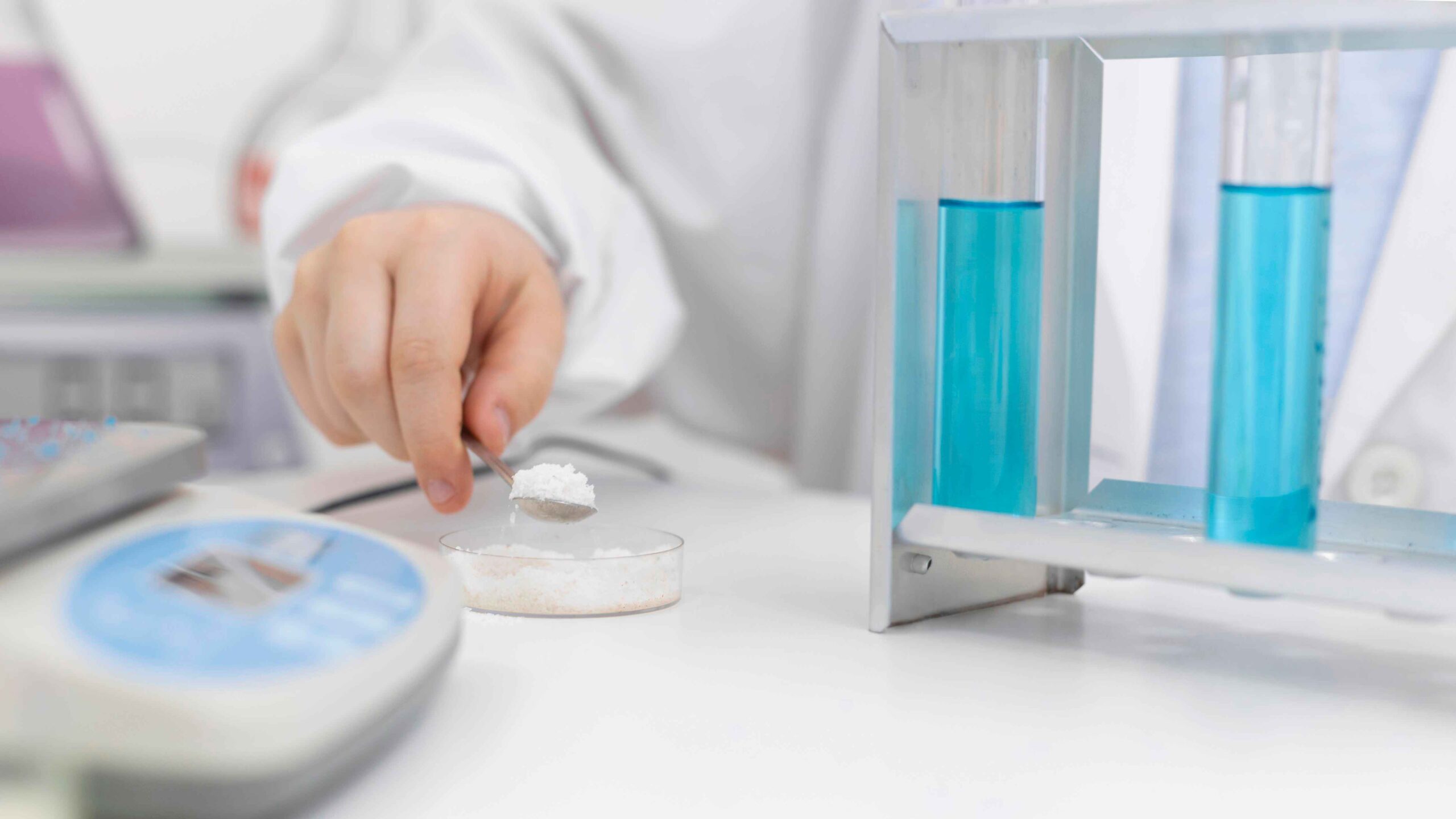
MurniCare Maklon, Jakarta — Attractive packaging, BPOM registration secured — but three months later, complaints start coming in. The color has turned yellowish, the texture has separated, and the scent is no longer fresh. This is a sign that cosmetic stability testing was not properly carried out during production.
When this happens, the consequences can be devastating for your brand’s reputation. If you’re currently researching maklon vendors or have previously dealt with product quality issues, this article is for you.
What Is Stability Testing in Cosmetic Manufacturing?
Cosmetic stability testing is a series of systematic tests designed to ensure that a cosmetic product remains safe, effective, and physically consistent throughout its shelf life — from the moment it leaves production to when it reaches the brand and end consumers.
A product that looks fine is not a reliable indicator of stability. Stability testing specifically evaluates changes across key parameters: color, scent, texture, pH, viscosity, and the effectiveness of active ingredients.
Take Vitamin C as an example. Its potency can diminish without any visible signs. This is precisely why stability testing for skincare products is a non-negotiable standard in any professional production process.
There are two main types carried out by professional vendors:
- Real-Time Stability Test — stores the product under normal conditions (around 25–30°C with 60% humidity) for 6 to 12 months. This is the most accurate simulation of the real conditions consumers experience daily.
- Accelerated Stability Test — exposes the product to extreme conditions (40°C ± 2°C with 75% ± 5% humidity) over a shorter period of 3 to 6 months. The goal is to efficiently predict long-term product durability. These conditions follow the Zone IVb climate standard applicable to tropical regions like Indonesia.
Why Cosmetic Stability Testing Matters
There are still cosmetic manufacturers who treat stability testing as optional rather than essential. For brand owners, this is a risk that stays invisible — until it isn’t.
Here’s why stability testing in cosmetic manufacturing is critical and cannot be skipped.
1. Consumer Safety
Poor cosmetic performance directly impacts consumers. Conditions like emulsion separation, pH shifts, or an unstable formula create an environment where bacteria and fungi can thrive. A product that appears perfectly fine visually can pose a real threat to the health of its users’ skin.
2. BPOM Regulation
Stability testing exists to confirm that a cosmetic formulation is safe for consumer use. BPOM evaluates cosmetics that have undergone microbiological testing conducted in BPOM-recognized laboratories. This means stability testing and ensuring product sterility is not just about quality — it’s a legal obligation. BPOM’s assessment is a primary factor in issuing a distribution permit. Without this data, a product cannot legally be sold in Indonesia.
Validity of Expiry Date Claims
The expiry date printed on a cosmetic product is not an estimate — or at least, it shouldn’t be. That date must be backed by valid stability test data. If a vendor doesn’t have that data, the expiry date on your product is nothing more than a number without scientific basis.
4. Brand Reputation
Beyond regulatory compliance, stability testing protects the credibility of your brand. Consumer trust is built slowly from the very first time someone uses your product. One inconsistent batch can shatter that trust instantly — especially in today’s environment where everything can go viral. Investing properly upfront in a tested and safe product launch will always be less costly than repairing brand damage down the line.
Understanding why stability testing matters gives brand owners a clearer picture of what to evaluate before committing to a cosmetic manufacturing partnership.
What Gets Tested in Cosmetic Stability Testing?
Proper stability testing for skincare products goes far beyond visual inspection. A range of parameters are evaluated systematically:
- Organoleptic properties (color, scent, texture) — the first and most easily detected parameters. Color that turns yellow or a scent that turns rancid are early signs of an unstable formula — signals of deeper problems before they show up in chemical analysis.
- pH — determines whether the product remains safe for skin throughout its shelf life. A pH shift can cause irritation, or cause the formula’s preservatives to lose effectiveness, leaving the product vulnerable to bacterial and fungal growth.
- Viscosity — ensures the product’s texture stays consistent. A change in texture — becoming unexpectedly runny, thick, or solid — when a freshly sealed product is first opened indicates formula instability.
- Microbiological testing — confirms that no harmful microorganisms develop during the shelf life. This parameter is especially critical for products made with natural ingredients, which are more susceptible to contamination.
- Packaging compatibility — evaluates whether any reaction occurs between the product’s contents and its packaging, such as changes in color, scent, or physical damage to the container.
Quality control in professional cosmetic manufacturing covers all of these dimensions. A cosmetic product must be formulated to be stable — visually, chemically, and microbiologically.
Bring Your Cosmetic Brand to Life with MurniCare
Many first-time brand owners focus on the visible: packaging design, product name, and cost. But understanding why stability testing matters is often the detail that gets overlooked — even though skipping it in cosmetic manufacturing can carry the heaviest consequences.
At MurniCare, quality control is not a checklist item. As part of our professional cosmetic manufacturing process, every product goes through comprehensive testing — from accelerated stability tests to complete documentation for BPOM notification. Because we know that the quality of the product that reaches your consumers is a direct reflection of the process we run behind the scenes.
If you’re looking for a cosmetic manufacturer that doesn’t just talk about quality — MurniCare is the partner that stays with you through every step of the process.
Contact MurniCare today and start building your cosmetic brand. Reach out now for a free consultation session.
Also read Soap Bar Contract Manufacturing: A Complete Guide from Formula to Packaging