Cosmetic Manufacturing Packaging: Custom or Stock, Which Is Right for You?

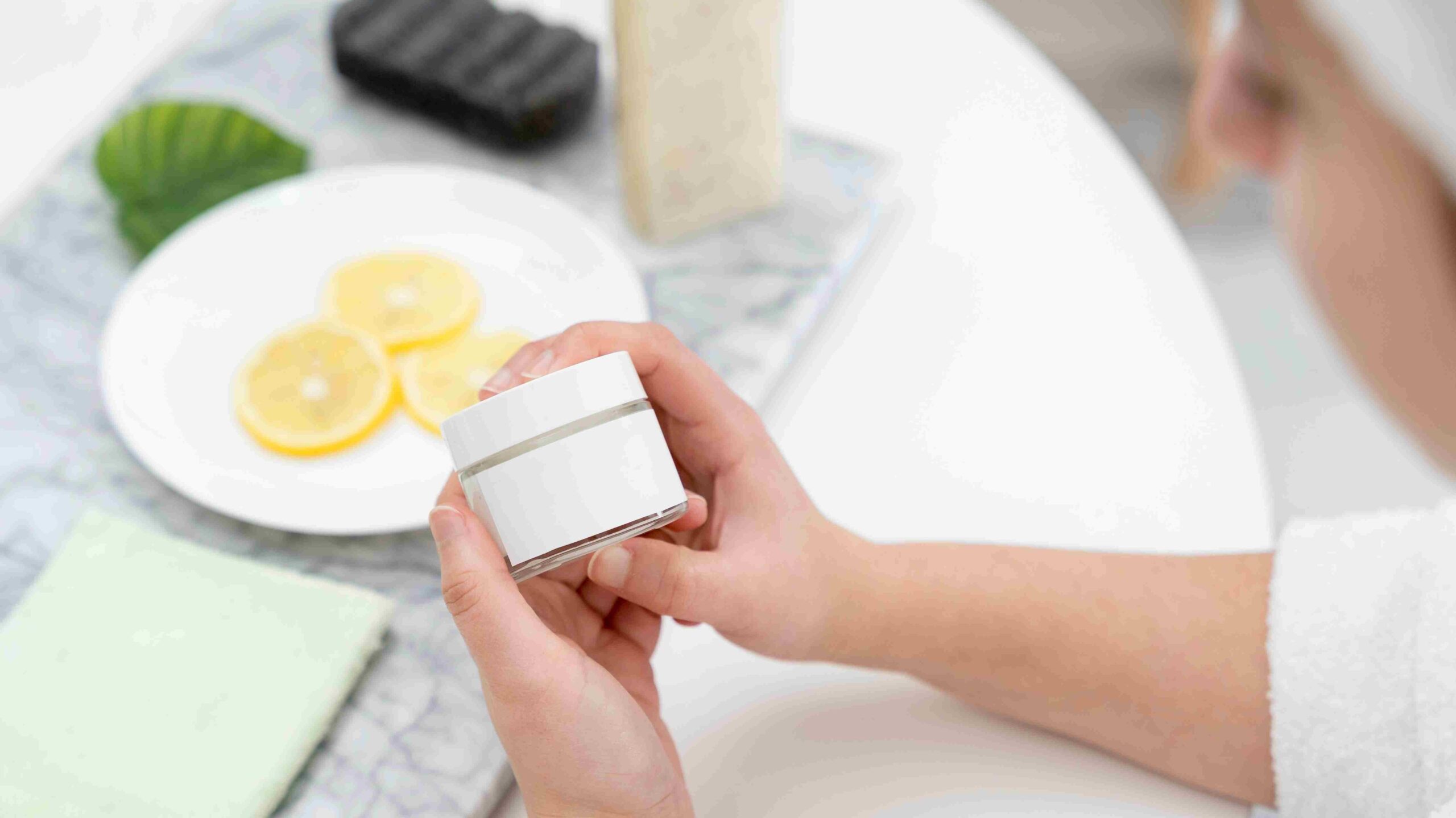
MurniCare Maklon, Jakarta — The decision around cosmetic contract manufacturing packaging goes beyond aesthetics. It directly affects your budget, production timeline, and overall brand positioning. Custom or stock? Higher investment or lower upfront cost? Distinctive or fast to market?
This article is your practical guide to choosing the right packaging — without assuming custom is always superior or stock is always the cheaper route.
Packaging Is More Than a Container: It’s the Face of Your Brand
Before comparing custom and stock options, it’s worth establishing what packaging actually represents. Packaging is a core component of brand strategy — not simply a vessel for the product inside. Consumers form their first impression within seconds of seeing a product.
In the context of cosmetic contract manufacturing packaging, choosing between custom and stock directly influences production costs, timelines, and your competitive position in the market. That’s why the decision must be grounded in a clear understanding of how each option performs and how well it aligns with your formulation and business goals.
What Is Custom Packaging and Stock Packaging?
Custom packaging is designed and produced specifically for your brand — shape, material, color, and dimensions are all tailored to your specifications. The result is a packaging solution that is entirely unique to your brand.
Stock packaging refers to standardized packaging that is already available from suppliers and ready to use. Brand owners focus on label design, and from there, the contract manufacturing process moves directly into mass production.
One important clarification about cosmetic contract manufacturing packaging: stock does not mean low quality. The real distinction is the degree of control you have over the final form. Many stock packaging options are available in premium finishes and high-quality materials.
Head-to-Head Comparison: Custom vs. Stock Packaging
1. Upfront Cost
Cost is one of the most significant factors in contract manufacturing, particularly for new brands. The cost of custom packaging in skincare contract manufacturing is shaped by print complexity, production setup, and typically higher minimum order quantities — all of which must be committed to before a single unit enters production.
Stock packaging, by contrast, involves lower upfront investment. There are no mold costs, and MOQs tend to be more accessible. For new brands or product launches where market validation is still the priority, this distinction matters considerably.
2. Production Timeline
Custom packaging requires a longer lead time. The process includes structural design, mold production, approval stages, and then packaging manufacturing — each step adding time before production can begin.
Stock packaging is significantly faster. As discussed, the packaging is already available. Brand owners select what best suits their needs, and the contract manufacturing process focuses solely on filling and labeling. This makes the overall production timeline considerably more efficient.
3. Brand Differentiation
Custom packaging in skincare contract manufacturing delivers clear and visible differentiation. A distinctive bottle form, unconventional material, or exclusive finish can create a brand signature that competitors cannot replicate — adding tangible value to your brand’s market position.
Stock packaging, while more cost-effective, has inherent limitations in uniqueness. The format you select is likely shared by other brands in the market, with differentiation limited to label design. That said, a well-executed combination of color palette, typography, and copywriting can still make a stock-packaged product stand out meaningfully on shelf.
4. Flexibility
In terms of flexibility, custom packaging presents more constraints when revisions are needed. Any changes to the mold involve additional time and cost — an important consideration when managing a tight launch schedule.
Stock packaging offers considerably more flexibility. Since the packaging is already produced, there is no revision process for the container itself. Changes to label design can be made with minimal friction and cost.
5. Perceived Value
Custom packaging consistently creates a stronger impression of exclusivity. Consumers recognize when a product has been built with deliberate attention to every physical detail — and that perception translates directly into brand value.
Stock packaging can still appear premium, but there is a ceiling to how far label design alone can elevate consumer perception, regardless of execution quality.
When to Choose Custom — and When Stock Packaging Is Sufficient
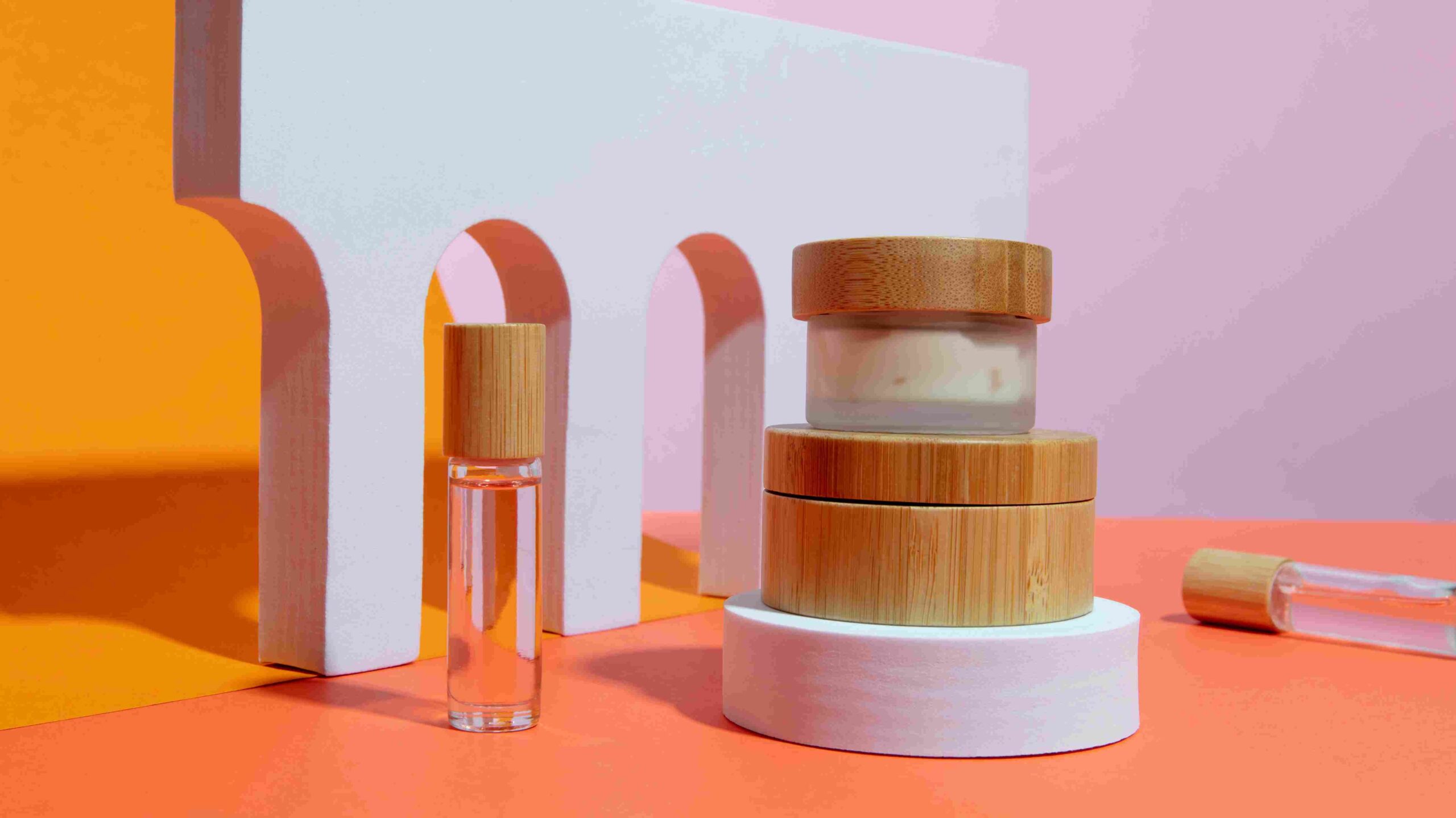
This is the core of the stock packaging vs. custom packaging decision for cosmetics. There is no universal answer — the right choice is the one that aligns with your current business stage and objectives.
Consider custom packaging if:
- Your brand has a clearly defined and consistent premium positioning
- Your initial budget allows for the higher investment that custom skincare contract manufacturing packaging requires
- Your product is entering modern retail or the gifting market, where unboxing experience is a key differentiator
- You are building a signature brand identity that cannot be replicated by competitors — this is where custom packaging delivers its strongest return
Consider stock packaging if:
- You are still in the market validation phase and have not yet confirmed product-market fit
- Your initial budget needs to be allocated more heavily toward marketing and customer acquisition
- Speed to market is the priority and you need product in consumers’ hands as quickly as possible
- You want to test multiple product variants before committing to a custom packaging investment
Understanding the stock packaging vs. custom packaging decision in cosmetics gives brand owners a clearer framework for decision-making. Many successful brands launched with stock packaging, validated their market, then transitioned to custom once revenue supported the investment. That is not a compromise — it is a sound business strategy.
And when the time comes to upgrade, the choice between stock and custom packaging for cosmetics will be far more straightforward — because by then, you will have real market data to guide it.
How to Maximize Results Regardless of Which You Choose
Whichever cosmetic contract manufacturing packaging direction you take, the following principles apply:
- For custom packaging: invest time in a detailed design brief upfront. The more precisely you define your specifications — material, dimensions, finish, visual references — the fewer revisions will arise mid-process. This protects both your timeline and your budget.
- For stock packaging: invest in strong label design. This is one of the most effective ways to choose the right contract manufacturing packaging even within a limited budget. The right typography, a consistent color palette, and consumer-facing copy that speaks directly to your target audience can elevate stock packaging to a premium feel — one that supports your brand’s credibility and shelf presence.
- For both: ensure your packaging meets BPOM requirements. Cosmetic packaging in Indonesia must include specific mandatory information — product name, ingredient list, volume, expiry date, notification number, and usage warnings. Building these requirements into your design from the start avoids costly revisions at a later stage.
Consult Your Packaging Needs with MurniCare
Choosing the right cosmetic contract manufacturing packaging in Indonesia is a decision with long-term implications — on production costs, launch speed, and how your brand is perceived in the market. There is no one-size-fits-all formula, but there is an approach that fits your business as it stands today.
At MurniCare, we support more than formulation and production. We work alongside you to identify the right packaging direction — aligned with your budget, target market, and long-term brand roadmap.
Contact MurniCare today for a free consultation session, and begin your cosmetic contract manufacturing packaging journey in Indonesia with the right decision from day one.
Also read Cosmetic Stability Testing in Maklon: Critical Yet Often Overlooked