Body Soap Contract Manufacturing: A Complete Guide from Formula to Packaging

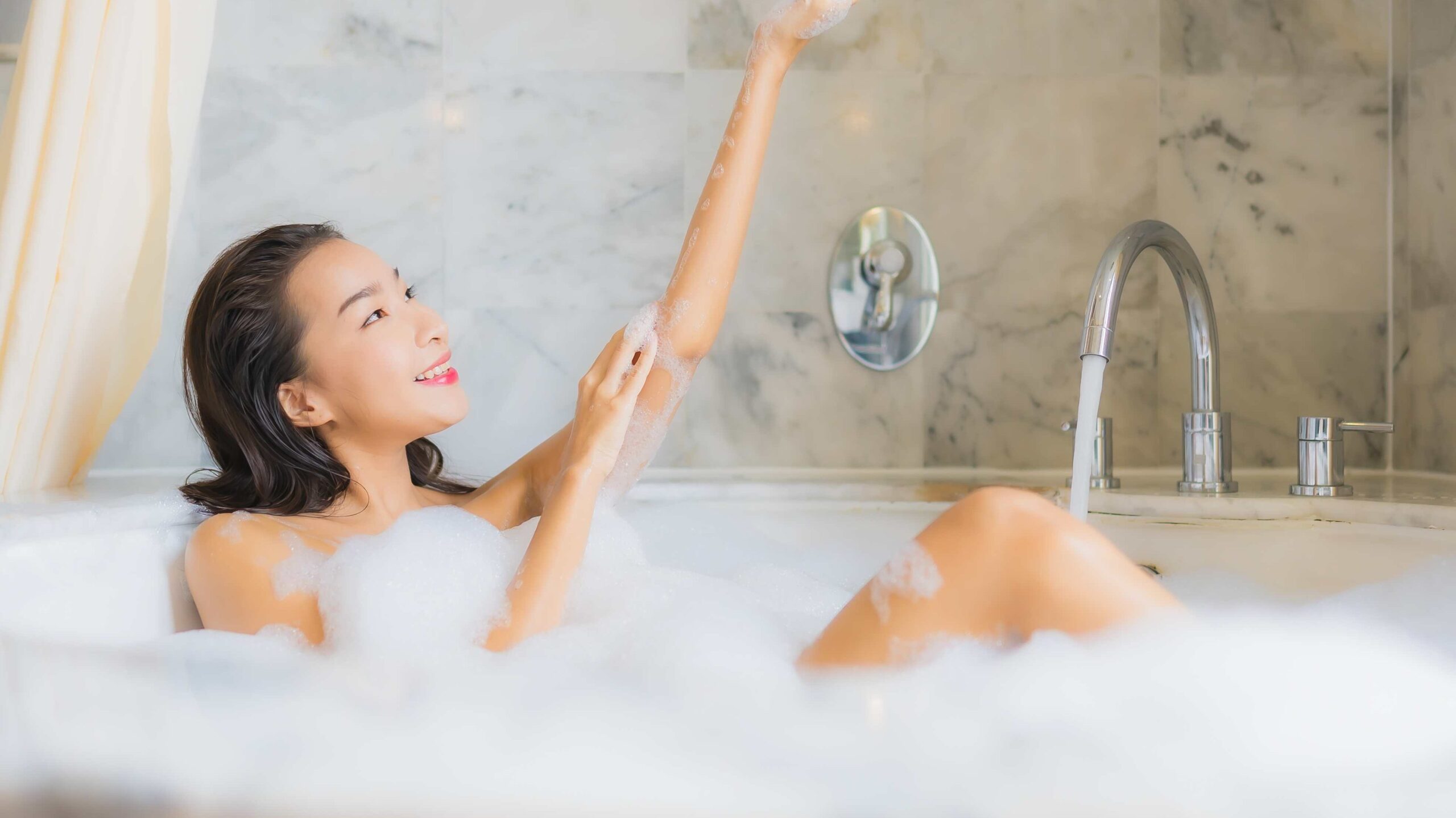
MurniCare Maklon, Jakarta – Body soap contract manufacturing is one of the most strategic entry points into the personal care industry. Yet for many aspiring brand owners, this category is frequently overlooked. The reality is that body soap is a high-frequency, essential product with one of the strongest repeat purchase rates across the entire personal care spectrum. So what can your brand actually create? This article walks you through everything you need to know — especially if you are seriously considering building your own body soap brand.
Why Body Soap is the Most Underrated Category in Contract Manufacturing
Many first-time brand owners gravitate toward skincare — serums, moisturizers, or sunscreens — drawn by the perception of premiumness and trend relevance. However, every product category comes with its own set of competitive realities. Skincare is a space defined by intense market saturation, compressed margins, and a high cost of consumer education.
Body soap presents a fundamentally different value proposition. It benefits from stable market demand, strong consumer loyalty, and considerable room for product innovation — particularly within the natural, halal, and locally-sourced ingredient segments.
Body soap contract manufacturing offers a more accessible, lower-risk entry point with a faster return-on-investment cycle compared to premium skincare categories.
Customizable Formula Options in Body Soap Contract Manufacturing
One of the core advantages of the contract manufacturing model is formulation flexibility. Body soap contract manufacturing in Indonesia currently supports a wide range of base formulas, each adaptable to your brand’s positioning and target audience.
By Base Formula Type
- Bar Soap — available in cold process, hot process, or syndet bar methods. Cold process preserves natural glycerin, making it well-suited for moisturizing claims; syndet bars are gentler on sensitive skin with better-controlled pH levels.
- Liquid Soap — lightweight, easy to use, and highly versatile in terms of packaging format. Suitable for family-use and everyday personal care segments.
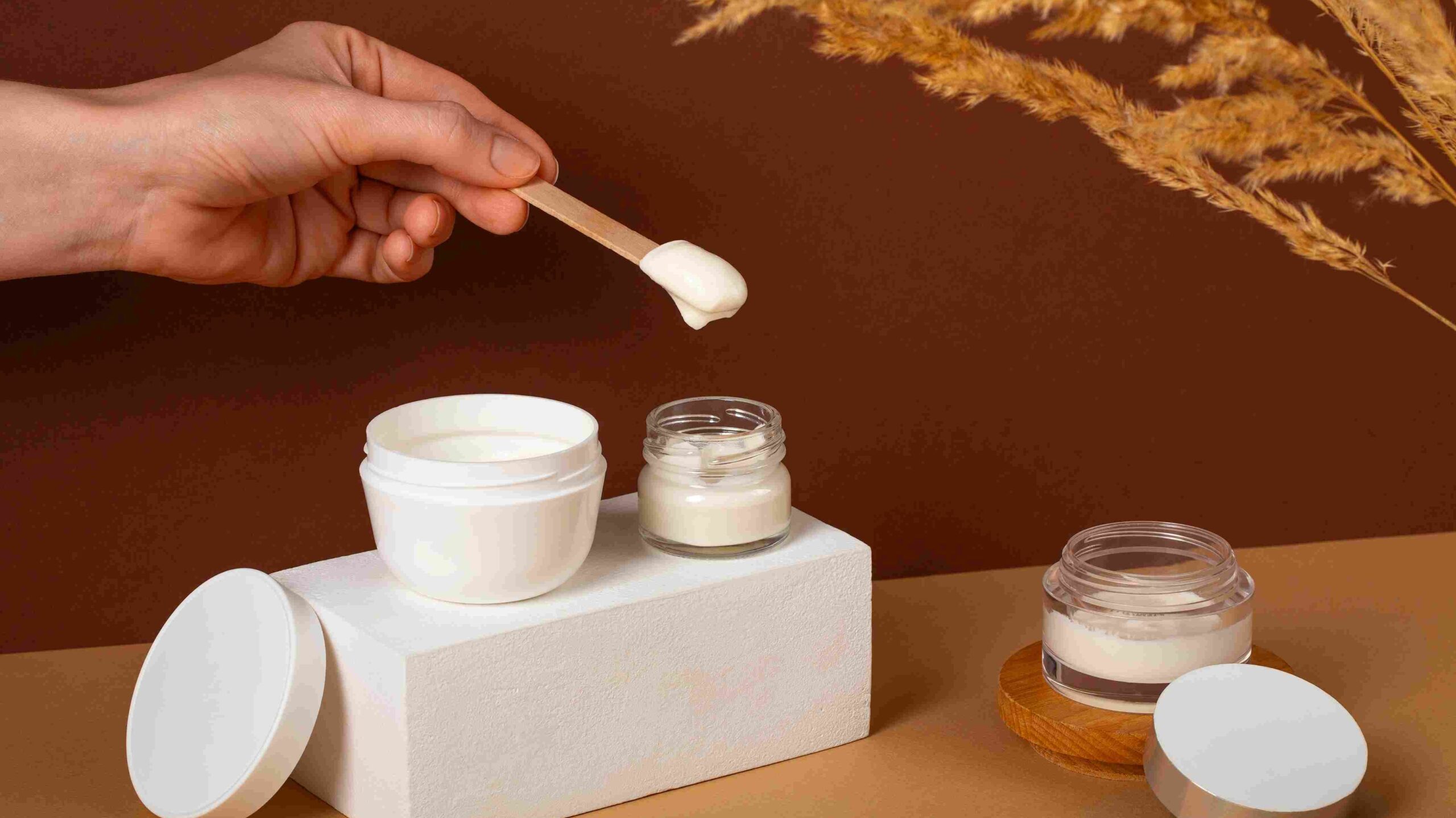
- Cream Body Wash — a rich, creamy texture that communicates luxury and is particularly well-positioned for the mid-to-high-end market segment.
- Gel Soap — light, clear, and refreshing in texture; highly popular for antibacterial formulas or products with a strong fragrance profile.
Trending Active Ingredients
The selection of active ingredients is the strongest point of differentiation in natural body soap contract manufacturing. The following ingredients are generating significant demand in the local Indonesian market:
- Activated Charcoal — supports detox and deep cleanse claims; particularly popular in the male grooming and teen segments.
- Goat Milk — a natural moisturizer with lactic acid content that provides mild exfoliation and skin-softening benefits.
- Sulfur — highly sought after for problem-prone skin, including body acne and oily skin conditions.
- Local Botanicals: Turmeric, Betel Leaf, Rice Extract — deliver a strong differentiation advantage, especially for brands targeting consumers who value traditional Indonesian herbal heritage.
Body Soap Packaging: The Decisions That Shape Brand Perception
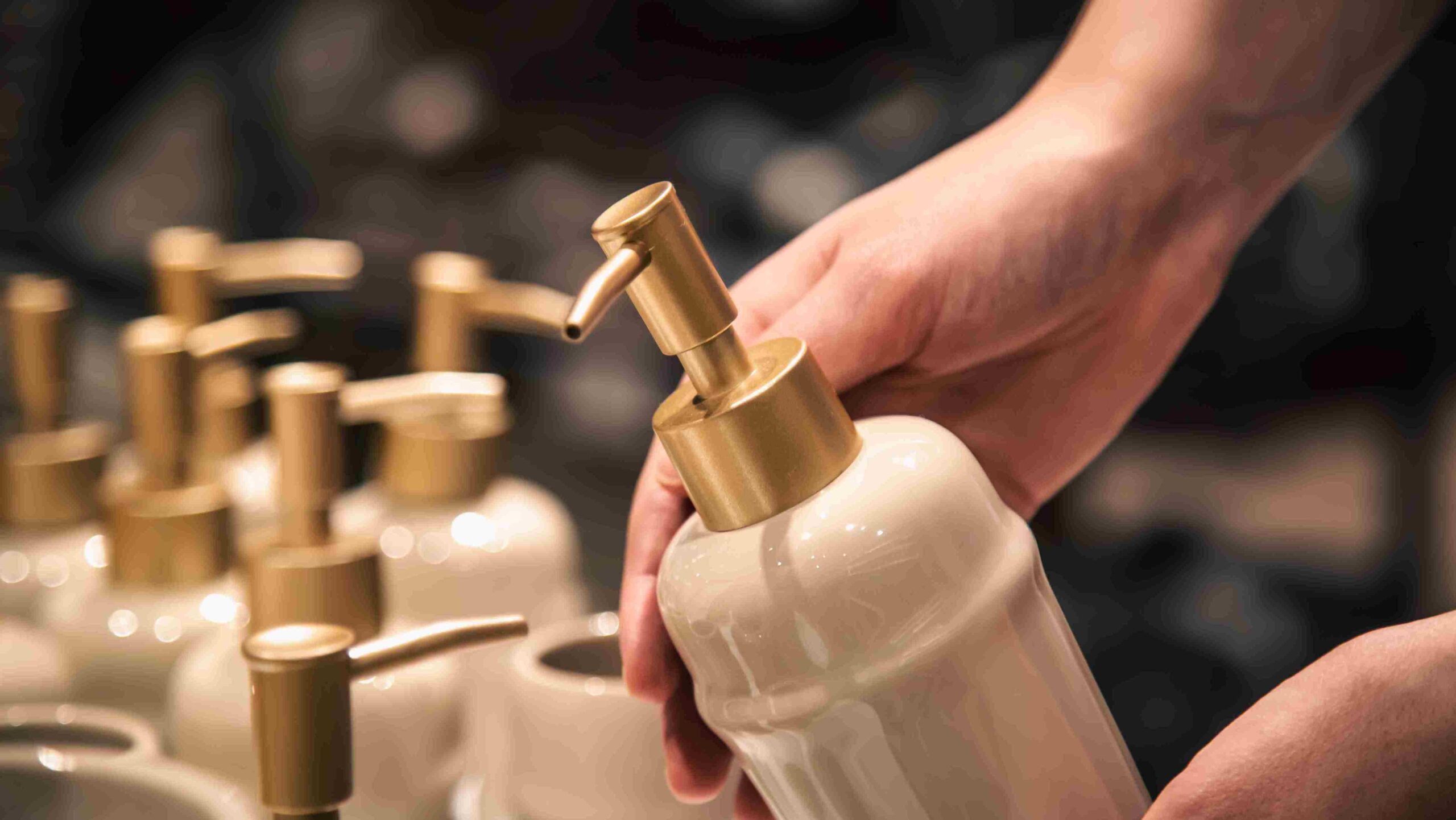
Custom body soap packaging in contract manufacturing is far more than a protective container — it is the first physical touchpoint between your brand and the consumer. The right packaging decision directly influences retail price perception, product quality impression, and distribution channel suitability.
Packaging Format by Product Type
- Bar Soap — kraft paper wrapping (eco-friendly with a premium feel), folding carton boxes, or naked soap (unwrapped, suitable for artisanal or zero-waste positioning).
- Liquid Soap — pump bottles (hygienic and convenient), refill pouches (eco-conscious segment), or flip-cap bottles (economical and functional).
- Cream Body Wash — jars (premium and reusable), tubes (travel-friendly), or squeeze bottles (practical for daily use).
Three Key Considerations When Choosing Packaging:
- Target Market — premium packaging formats (glass jars, foil labels) are appropriate for upper-mid-market segments; refill pouches appeal strongly to eco-conscious consumers concerned about sustainability.
- Sales Channel — products sold through online marketplaces require impact-resistant packaging for shipping; retail-facing products must be visually compelling and immediately identifiable from a distance on the shelf.
- Production Cost — custom packaging commands a higher unit cost but delivers a significantly stronger brand identity. Stock packaging is the more economical option and a practical choice during the early brand-building phase.
Regulatory Requirements You Need to Know Before Production
In Indonesia, body soap products — whether bar or liquid format — are classified as cosmetics under BPOM (the National Agency of Drug and Food Control) regulations. This means all products must complete the notification process before they can be legally marketed. The following regulatory checkpoints are critical to understand from the outset:
- BPOM Notification — mandatory prior to product commercialization. The process requires submission of formulation details, ingredient safety data, and manufacturer information (the contract manufacturing facility must hold the appropriate licenses).
- Product Claims — certain claims are permissible without clinical substantiation (e.g., ‘cleanses skin’), while others such as ‘clinically whitening’ or ‘antibacterial’ require verified supporting data.
- MUI Halal Certification — brands targeting the halal segment must note that this certification runs through a separate process from BPOM notification, requiring an audit of both ingredients and production procedures. An experienced contract manufacturer will have established guidance for this process and, ideally, already operates a halal-certified facility.
Ensure that regulatory support is one of the first topics addressed during your initial consultation with any contract manufacturing partner. A competent vendor will proactively guide your brand through compliance requirements rather than leaving you to navigate them independently.
Request a Sample Formula
The most effective way to assess whether a formula aligns with your brand vision is to evaluate it firsthand. At MurniCare, you can request body soap samples based on your preferred product type and active ingredients — even at a low minimum order quantity.
Whether you are drawn to a goat milk bar soap, a betel leaf liquid formula, or a premium cream body wash, all specifications can be discussed within a single focused consultation session. Take the first step toward turning your product concept into a market-ready reality.
Why MurniCare is the Right Manufacturing Partner
As an established player in Indonesia’s personal care contract manufacturing industry, MurniCare offers far more than production capacity. We understand that every brand owner enters with a distinct vision and a specific market position in mind.
Our services include formulation consultation, custom packaging selection support, and full BPOM notification assistance.
With hands-on experience across both natural and conventional body soap contract manufacturing, our team is equipped to develop products that not only meet regulatory standards but are genuinely competitive in the current market landscape.
Contact MurniCare today to schedule your first consultation. Begin your body soap contract manufacturing journey on solid ground — the right formula, compelling packaging, and full regulatory compliance.
Also Read: Face Serum Contract Manufacturing: The Most Popular Formula Trends & How to Get Started!