Feeling Sore All the Time? Here’s Why Your Body Needs Recovery


MurniCare Wellness, Jakarta – Have you ever found yourself dealing with persistent body aches even though your daily routine isn’t particularly physically demanding?
Your shoulders feel tight before the workday even begins. Your neck is stiff, your lower back feels uncomfortable, and your body seems to carry a sense of heaviness throughout the day. No matter how much rest you get, you never feel completely recharged.
If this sounds familiar, the issue may not be a lack of sleep. Your body could be telling you that it needs proper recovery.
Unfortunately, many people have become so accustomed to living with physical discomfort that they assume it’s simply part of adulthood. But constant muscle tension, fatigue, and stiffness are not something your body should experience every day.
Why Does the Exhaustion Never Really Go Away?
For office workers, hybrid employees, remote professionals, and anyone who spends most of the day in front of a screen, feeling sore or tired has become surprisingly common.
Many people dismiss it with a simple explanation, “That’s just work.”
But ongoing discomfort is often your body’s way of telling you that something needs attention.
One of the biggest misconceptions about fatigue is that it only comes from physically demanding activities. In reality, spending long hours sitting at a desk can place significant strain on the body. That’s why so many people feel exhausted at the end of the day despite having spent most of their time sitting.
Why Can Your Body Feel Sore Without Doing Anything Physically Demanding?
The human body is designed for movement. When you remain in the same position for hours, certain muscles are forced to stay engaged continuously. Over time, tension builds up, creating stiffness and discomfort throughout the body.
Several common factors contribute to this problem.
- Prolonged Sitting
Sitting for long periods without breaks places constant pressure on the neck, shoulders, back, and lower body. Even though you may not feel physically active, your muscles are still working hard to support your posture throughout the day.
- Poor Working Posture
Slouching, leaning toward a laptop screen, or constantly looking down at a mobile device can place extra strain on muscles and joints. Over time, these habits contribute to muscle tightness and chronic discomfort.
- Lack of Movement and Stretching
Many people become so focused on work that they don’t realize they’ve been sitting for three or four hours straight. Simple movement throughout the day helps maintain flexibility, supports circulation, and prevents tension from accumulating.
- Stress That Builds Up in the Body
This is one of the most overlooked causes of physical discomfort. Muscle tension doesn’t always come from physical activity. Stress can affect the body just as much. When you’re under pressure, your body enters a heightened state of alertness. Muscles tighten, breathing becomes shallower, and relaxation becomes more difficult. As a result, emotional stress often shows up as physical symptoms such as tight shoulders, neck stiffness, headaches, and ongoing fatigue.
- Poor Recovery and Low-Quality Rest
Getting eight hours of sleep doesn’t automatically mean your body has fully recovered. If your sleep quality is poor, your body may not have enough time to repair and restore itself properly. Recovery depends not only on the quantity of sleep but also on its quality.
Feeling Sore All the Time? Your Body Might Need Recovery
Sometimes the body sends clear signals long before we recognize them. Some of the most common signs include:
- Waking up tired despite getting enough sleep,
- Mood changes and increased irritability,
- Frequent mild headaches,
- Difficulty concentrating at work,
- Persistent physical discomfort,
- Tight shoulders and neck,
- Restless or poor-quality sleep,
- Feeling physically heavy throughout the day.
If these symptoms sound familiar, your body may need more than an extra hour of sleep. It may be asking for deeper recovery.
What’s the Difference Between Reflexology and Massage?
Many people still associate reflexology and massage with something they only need when they’re already exhausted or in pain. Today, however, both have become important parts of modern wellness routines.
Reflexology

Reflexology focuses on specific pressure points that correspond to different areas of the body. Many people choose reflexology because it helps promote relaxation and encourages a greater sense of physical comfort after a busy day.
It has become a popular wellness treatment among professionals looking for a simple way to unwind and manage everyday stress.
Massage
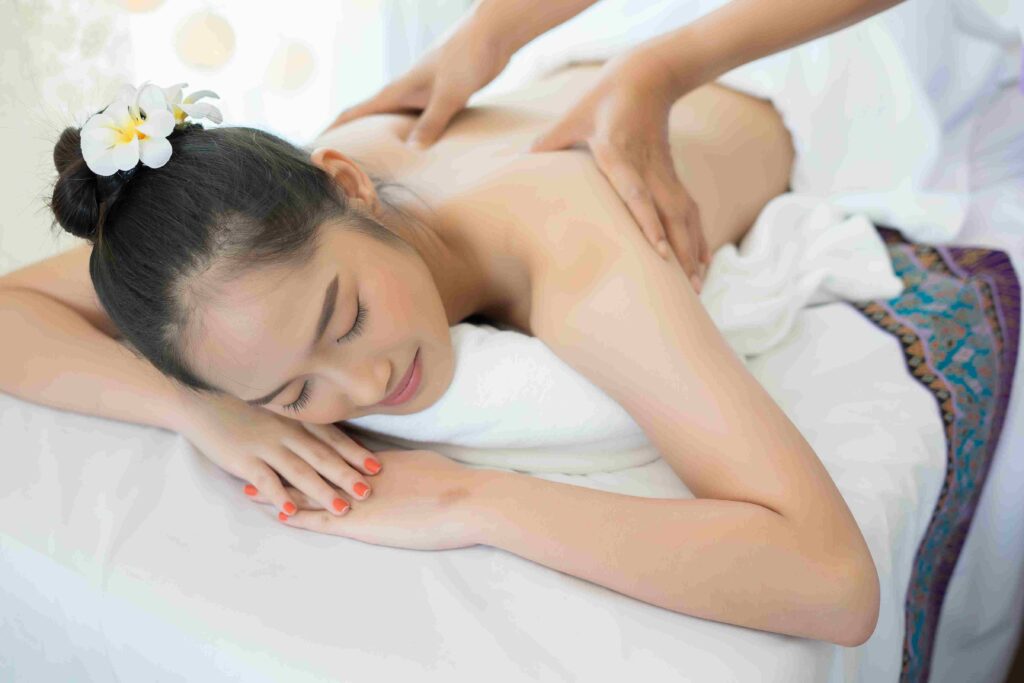
Massage focuses on relieving tension in muscles and soft tissues. Through targeted pressure and specialized techniques, massage helps release tight muscles, improve circulation, and create a deeper sense of relaxation throughout the body.
This is why massage has become increasingly popular among office workers experiencing muscle tension from prolonged sitting.
Most importantly, reflexology and massage are no longer viewed as occasional indulgences. They have become part of a proactive wellness lifestyle focused on maintaining balance and preventing discomfort before it becomes a bigger issue.
Why Are More People Making Reflexology Part of Their Wellness Routine?
In recent years, wellness has evolved beyond fitness and nutrition. People are becoming more aware that recovery plays an essential role in overall well-being.
As a result, more individuals are incorporating family reflexology and massage into their regular self-care routines.
Not because they are already experiencing serious physical problems, but because they understand the importance of caring for their bodies before those problems develop.
Many people report feeling:
- Physically lighter,
- More relaxed,
- Better rested,
- Less tense,
- More comfortable throughout the day.
Small improvements like these can have a meaningful impact on overall quality of life.
Don’t Ignore Persistent Aches, Listen to What Your Body Is Telling You
It’s easy to keep pushing through deadlines, responsibilities, and busy schedules. But your body has limits.
If you’ve been feeling sore, fatigued, unfocused, or unable to fully relax, don’t assume it’s simply part of everyday life. Your body may be sending you a warning sign that it needs time to recover.
Start with small changes. Move more often during the day. Prioritize quality sleep. Create time to care for your physical well-being. Because self-care isn’t only about taking vacations or investing in skincare. Sometimes, self-care is as simple as giving your body the opportunity to rest, recover, and feel its best again.
If you’re looking for a comfortable place to recharge both body and mind, MurniCare Wellness offers family reflexology and massage treatments designed to help you relax, release built-up tension, and return to your daily routine feeling refreshed and revitalized.
Contact Us:
Whatsapp: 082 123 6000 61
Instagram: @murnicare.wellness
Website: murnicare.co.id
Also Read: Body Recovery for Office Workers: A Solution for Body Aches and Burnout After Work