5 Signs of Diabetic Wounds and How to Treat Them Properly

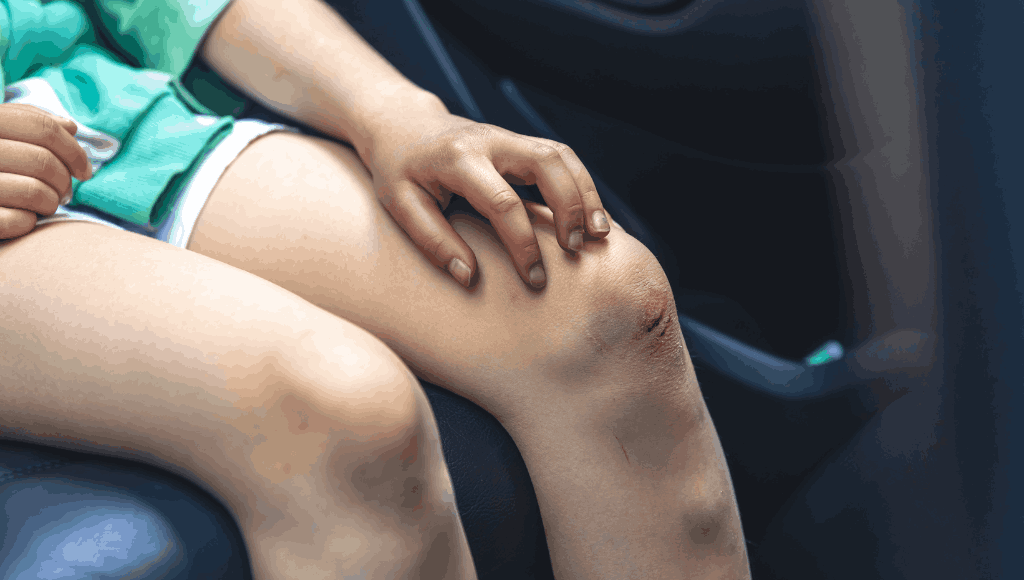
MurniCare, West Jakarta – Wounds in people with diabetes may look minor at first, but they can quickly develop into serious problems if not treated properly. Unlike ordinary wounds, diabetic wounds tend to heal more slowly and carry a higher risk of infection.
That is why it is important for people living with diabetes, and their families, to recognize the signs of diabetic wounds early and understand how to treat diabetic wounds correctly.
With early detection and proper care, serious complications such as severe infections or even amputation can be prevented.
Why Do Diabetic Wounds Require Special Attention?
In people with diabetes, high blood sugar levels can interfere with the body’s natural healing process. Blood circulation—especially to the feet—may be reduced, and nerve function can also be affected. As a result, wounds heal more slowly, pain may be reduced or unnoticed, and the risk of infection increases.
This is why even small wounds in people with diabetes should never be ignored. Without proper care, a minor wound can worsen in a short period of time.
5 Signs of Diabetic Wounds
Some of the characteristics of wounds that you should be aware of are as follows:
1. Redness, Swelling, or Warmth
Red, swollen skin or warmth around the wound can indicate early inflammation or infection. These signs are often overlooked because they may not be painful.
2. Numbness Around the Wound
Diabetic neuropathy (nerve damage caused by diabetes) can lead to numbness. As a result, wounds may not feel painful even when their condition is worsening.
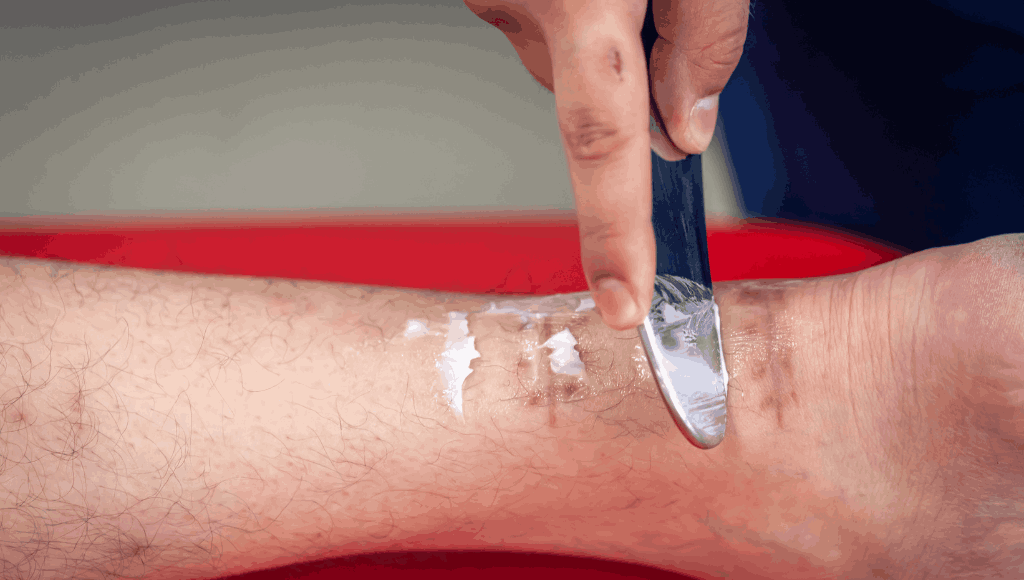
3. Changes in Skin Color Around the Wound
Darkened, bluish, or unusually pale skin around the wound can indicate poor blood circulation. This is a serious sign and should be evaluated by a healthcare professional as soon as possible.
4. Discharge or Unpleasant Odor
An infected diabetic wound may produce clear, yellowish, or pus-like discharge and may be accompanied by a foul smell. This is a clear warning sign that requires medical attention.
5. Slow-Healing Wounds
One of the most common signs is a wound that does not show improvement after several days or even weeks. The wound may remain dry for a long time or stay constantly moist.
How to Treat Diabetic Wounds Properly
Treating diabetic wounds is not the same as treating regular wounds. Several important steps should be followed:
- Keep the wound clean using proper and sterile wound-care techniques.
- Avoid using random medications or home remedies, such as alcohol or unapproved substances.
- Maintain stable blood sugar levels, as wound healing is strongly affected by glucose control.
- Use appropriate wound dressings based on the wound’s condition.
- Seek regular medical evaluation, especially if the wound does not show signs of improvement.
Read More: Hati-Hati! 7 Makanan Ini Meningkatkan Risiko Diabetes
Never Ignore Even Small Diabetic Wounds
Diabetic wounds require special care from the very beginning. Recognizing the signs of diabetic wounds and understanding how to treat them properly are essential steps in preventing serious complications.
Education for both patients and family members plays a key role in successful healing. If you are unsure or if the wound worsens, consulting a medical professional is always the safest option, by contacting us via:
WhatsApp: 082 123 6000 61
Telphone: (021) 584-1060
Instagram: @murnicare